
Planting on a commercial site has to do more than look attractive. For facilities managers, estate managers and property teams, planting schemes must work around footfall, vehicle access, maintenance budgets and the way a property is used. A scheme that looks impressive at installation can become costly if those practical requirements are overlooked.
At Majestic Grounds Maintenance, our commercial landscaping services bring planting and ongoing upkeep into the same conversation, helping clients plan outdoor spaces that remain practical to manage.
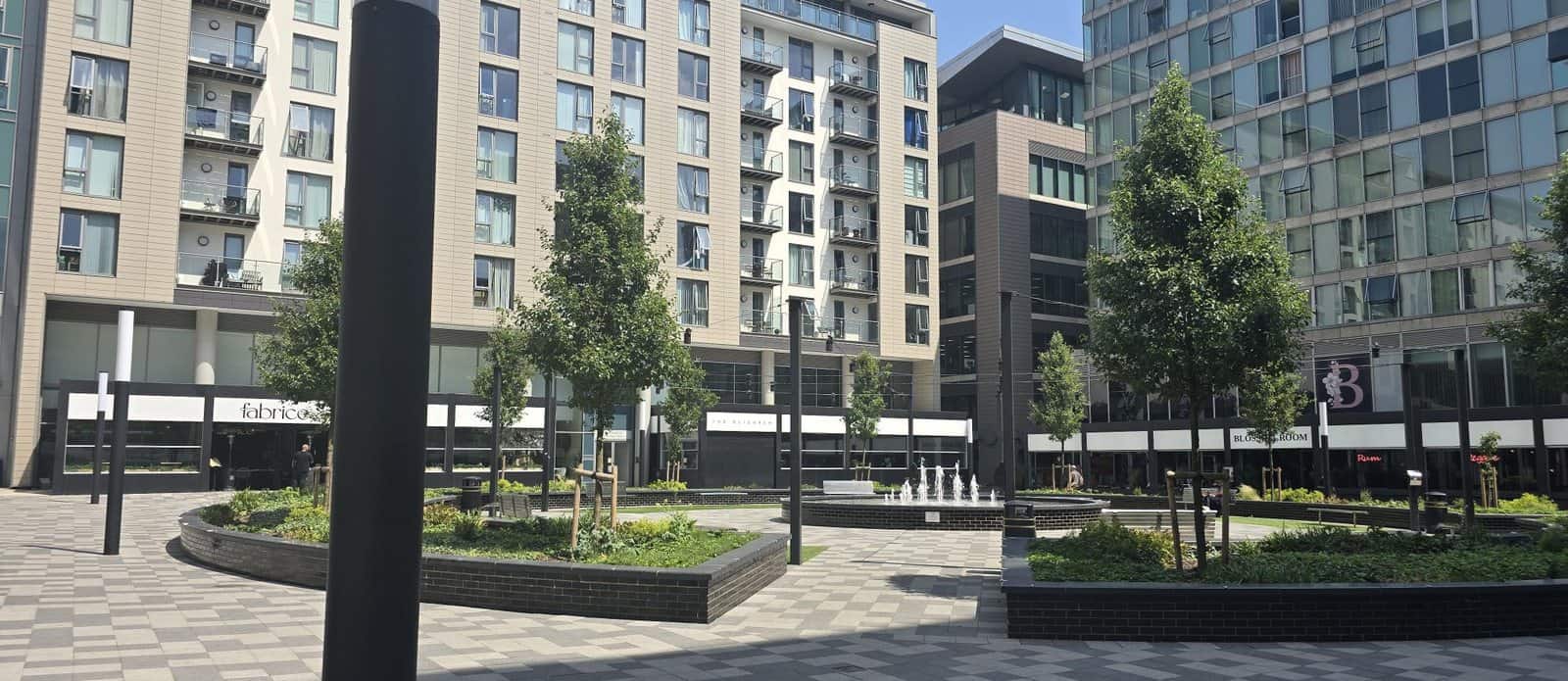
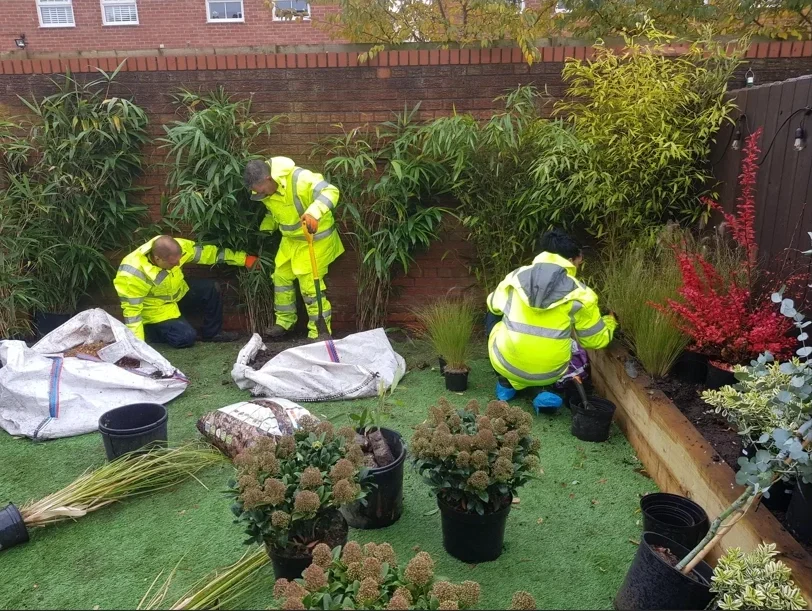
A practical planting scheme links four decisions
- Site assessment: soil, drainage, light, exposure and growing space
- Operational fit: footfall, vehicles, access, signs and sightlines
- Maintenance fit: pruning, watering, weeds, seasonal tasks and replacements
- Long-term performance: biodiversity, presentation, establishment and routine care
What Are Commercial Planting Schemes?
Commercial planting schemes set out what will be planted, where it will go and how the different elements will work together. They can include trees, shrubs, perennial borders, entrance displays, screening and feature areas across business premises or shared outdoor spaces.
The right combination depends on the purpose of each area. An entrance may need a strong first impression, while planting beside a service road must respect access and visibility. Good design connects those priorities with growing conditions and a realistic maintenance programme.
What Should Your Commercial Planting Design Consider?
Effective planting schemes start with a site assessment, not a list of preferred plants. Soil condition, drainage, sunlight, shade and exposure should all inform selection. Available growing space also matters: planting needs to remain suitable as it develops, rather than repeatedly needing corrective work. Consider seasonal interest alongside everyday site presentation, too. The proposed combination should work as part of the wider landscape, rather than treating each border as an isolated feature.
Operational requirements are just as important. Check pedestrian routes, vehicle movements and sightlines before agreeing the layout. On a busy managed site, plants should not compromise entrances, signs or access routes. Planning commercial soft landscaping around these constraints helps avoid choosing an attractive design that needs excessive pruning or performs poorly in its location.
Low-Maintenance Planting for Managed Estates
Low-maintenance planting schemes should reduce unnecessary work, not remove the need for care. Plant choice affects pruning frequency, irrigation, weed management, seasonal tasks and the likelihood of repeated replacements. These requirements need to fit both the available budget and the contractor’s maintenance schedule. Before approving a design, ask which tasks it will create, how often they will be needed and whether the existing maintenance programme can accommodate them.
For planting schemes across managed estates, consistency also matters. Shared entrances, communal borders and access areas should be manageable under an agreed programme. Review the likely labour requirement before installation, including who will water new plants and address failures. The aim is a landscape that stays presentable without creating an avoidable cycle of remedial visits.
Sustainable Planting Schemes and Biodiversity
Sustainable planting schemes need to suit the site as well as support biodiversity. Suitable native species, pollinator-friendly planting and greater plant diversity can form part of the design, with attention to seasonal food and habitat rather than appearance alone. Look at how the proposed mix will support wildlife across different seasons, rather than concentrating every benefit into one short period.
Water demand should also inform selection. Choosing plants for local conditions is more practical than specifying a landscape with unnecessary irrigation requirements. Our ecological solutions for commercial sites can help relate planting decisions to wider site biodiversity objectives. This sits alongside Majestic’s broader emphasis on carbon awareness and lower-emission operations, rather than treating sustainability as a question of plant choice alone.
Planting Design for Different Commercial Environments
Planting schemes for business parks often prioritise professional entrances and manageable borders, while industrial and logistics sites need robust planting that respects visibility, vehicle access and exposed conditions. Schools need safe, durable layouts planned around pupils and maintenance schedules. Managed estates generally require consistent presentation across communal spaces.
For hotels and retail locations, planting schemes can place more emphasis on customer-facing areas and seasonal interest. Public-sector sites may need to balance longevity, biodiversity and responsible budget management. The priorities differ, but the decision should always reflect how the grounds are used and what the organisation can maintain.
What Affects Commercial Planting Costs?
The cost of commercial planting schemes depends on more than the number of plants. The size of the area, plant maturity and specification, clearance, soil preparation, drainage conditions and irrigation requirements all influence the work involved. Access restrictions, installation complexity and seasonal timing also need to be considered. A useful proposal should make clear what is included and which future tasks will need a separate allowance.
Compare proposals on the same basis, including preparation, installation, establishment care and ongoing maintenance. A lower initial quote does not necessarily mean a lower long-term cost. Planting that requires frequent attention or repeated replacement can place greater pressure on future budgets, so assess the maintenance commitment alongside the installation price.
Maintaining Planting Schemes After Installation
New planting schemes need establishment care before moving into routine maintenance. Watering, weed control, mulching and plant-health checks should be planned from the outset, with responsibility clearly agreed between the client and contractor. Failed plants also need to be identified and replaced where necessary.
As planting develops, commercial mulching and top dressing and commercial hedge and shrub pruning can form part of the agreed care programme. The exact work should reflect the planting and site conditions, rather than a generic schedule. Building this into commercial grounds maintenance helps protect the original investment and maintain consistent presentation through seasonal changes.
Planning Your Project With a Commercial Landscaping Contractor
An experienced contractor should assess the site, understand your priorities, review growing conditions and agree on suitable planting before planning installation. Share any existing problems with access, presentation or maintenance so those priorities shape the scheme from the start. Establishment care and the ongoing maintenance programme should follow from those decisions. The conversation needs to cover how the landscape will perform several years after installation, not simply how it will look on completion.
Whether you are refreshing tired borders or planning a new commercial landscape, Majestic Grounds Maintenance can help assess the site, develop practical planting schemes, complete the installation and provide ongoing care. To discuss the requirements of your property, arrange a commercial landscaping site visit or request a quote from our team.