
Grounds maintenance is the planned, ongoing care of the outdoor areas around a property. On a commercial site, it brings together the practical work needed to keep lawns, planting, hedges, trees, paths, car parks and shared spaces safe, functional and presentable throughout the year.
For property and facilities managers, it is less about occasional gardening and more about consistent site management. A well-defined commercial grounds maintenance programme sets out what will be maintained, how often visits will take place, what seasonal work is required and how emerging issues will be dealt with.
What Is Grounds Maintenance?
At its simplest, grounds maintenance means looking after the external environment of a site. It can include routine horticultural work, general presentation, specialist tree care, seasonal services and reactive support. The precise scope depends on the size, layout, use and priorities of the property.
Unlike a one-off tidy-up, a professional programme is recurring and planned. It should support the way a site is used, helping to keep entrances welcoming, routes accessible, green areas managed and outdoor spaces aligned with the standards expected across the property.
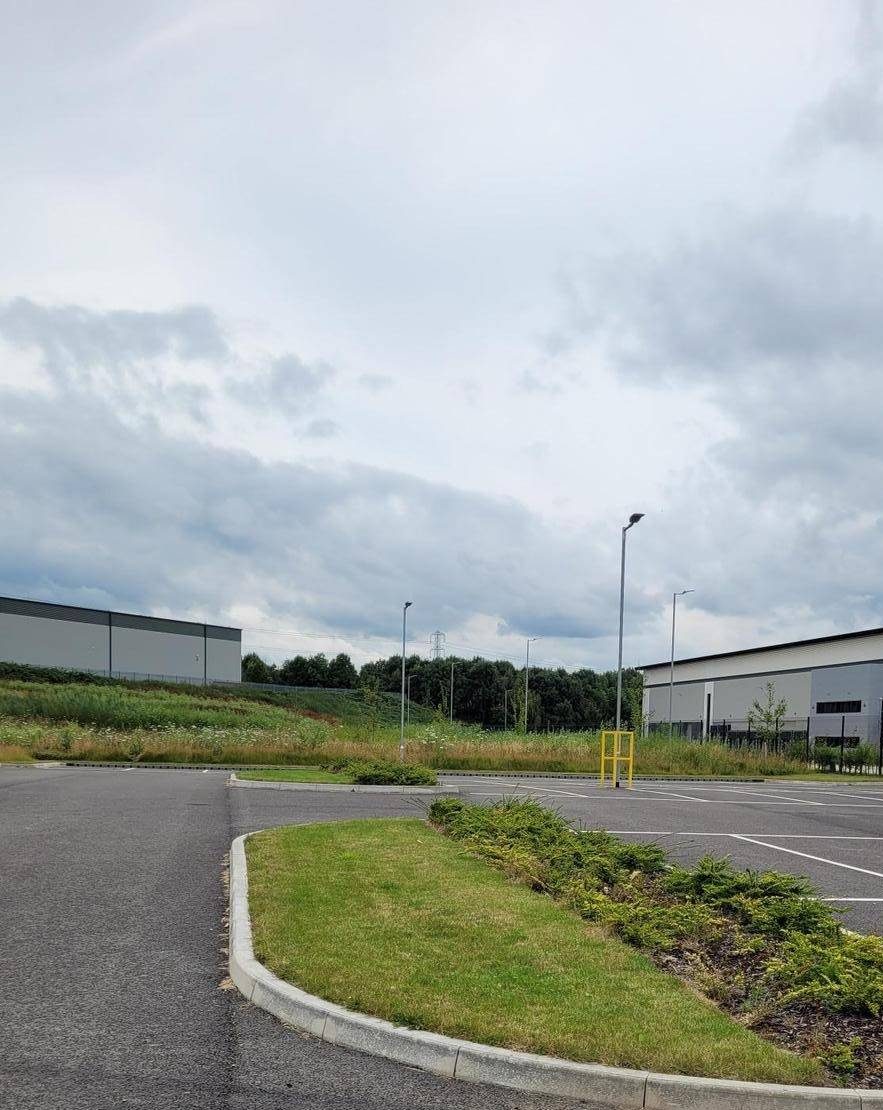
Grounds Maintenance at a Glance
01. Planned and Recurring
Scheduled visits and seasonal planning help maintain a consistent standard instead of relying on occasional requests.
02. Whole-Site Coverage
Lawns, hedges, weeds, trees, paths and car parks can be coordinated as one managed external environment.
03. Specialist Support
Professional contractors can provide the machinery, trained operatives and specialist services commercial properties may require.
What Does Commercial Grounds Maintenance Include?
The services included in a grounds maintenance programme should reflect the site rather than follow a generic list. A business park with extensive lawns will have different priorities from an apartment development, school, retail site or industrial estate. Even so, several core areas commonly form part of a commercial specification.
Grass and Lawn Maintenance
Lawns can make up a large proportion of a commercial landscape, so their condition affects the appearance of the whole site. Planned commercial lawn services can maintain a consistent finish, respond to seasonal growth and address worn or damaged areas when required.
Hedges, Shrubs and Planted Areas
Hedges and shrubs define boundaries, frame entrances and add structure to outdoor spaces. Professional hedge and shrub pruning keeps them controlled so they do not obstruct paths, signs, lighting, windows or vehicle sightlines.
Weed Management
Weeds can affect lawns, borders, paving, kerb lines and other hard surfaces. A planned approach to commercial weed management helps control recurring problem areas and coordinate treatment with the wider maintenance schedule.
Trees and Arboriculture
Trees can require inspections, condition monitoring, pruning, deadwood management and other specialist works. Access to professional commercial arboricultural services allows tree work to be assessed and prioritised as part of the wider management of the property.
Paths, Car Parks and External Areas
Grounds maintenance is not limited to green areas. Depending on the contract, car park maintenance can sit alongside landscaping so that litter, vegetation, surface cleanliness and surrounding planted areas are considered together.
Seasonal and Reactive Work
Leaf fall, storms, prolonged wet weather, rapid spring growth and cold conditions can all change site priorities. Planned winter grounds maintenance and a clear process for reactive work help property managers respond without treating every issue as a separate job.
Grounds Maintenance vs Gardening: What’s the Difference?
Gardening and grounds maintenance overlap, but they are not identical. Gardening often describes the practical care of plants, lawns and borders. Grounds maintenance takes a broader view of the entire external environment and the operational standards attached to it.
On a commercial site, work needs to fit around access, opening hours, residents, visitors, deliveries, vehicles and other contractors. It may also require site inductions, appropriate insurance, trained operatives, risk assessments and method statements where the site or task calls for them.
Accountability is another important difference. A commercial contract should define the scope, frequencies, responsibilities and process for additional work. This gives property managers greater visibility over what is being delivered and reduces the risk of important tasks being missed.
Which Properties Use Professional Grounds Maintenance?
Professional grounds maintenance is used wherever outdoor areas need to meet consistent operational and presentation standards. This includes business parks and offices, managed residential estates, apartment complexes, schools, retail parks, hotels, public-sector environments, industrial premises and logistics sites.
The priorities vary by property. A residential development may emphasise communal lawns, planting and resident experience. A school may need work organised around term dates and safeguarding requirements. A logistics site may focus more heavily on access routes, boundaries, vegetation around service areas and reliable delivery around vehicle movements.
Larger organisations may also need one provider to maintain several properties to a consistent specification. Clear communication, reporting and the capacity to coordinate teams across multiple sites can be just as important as the practical work itself.
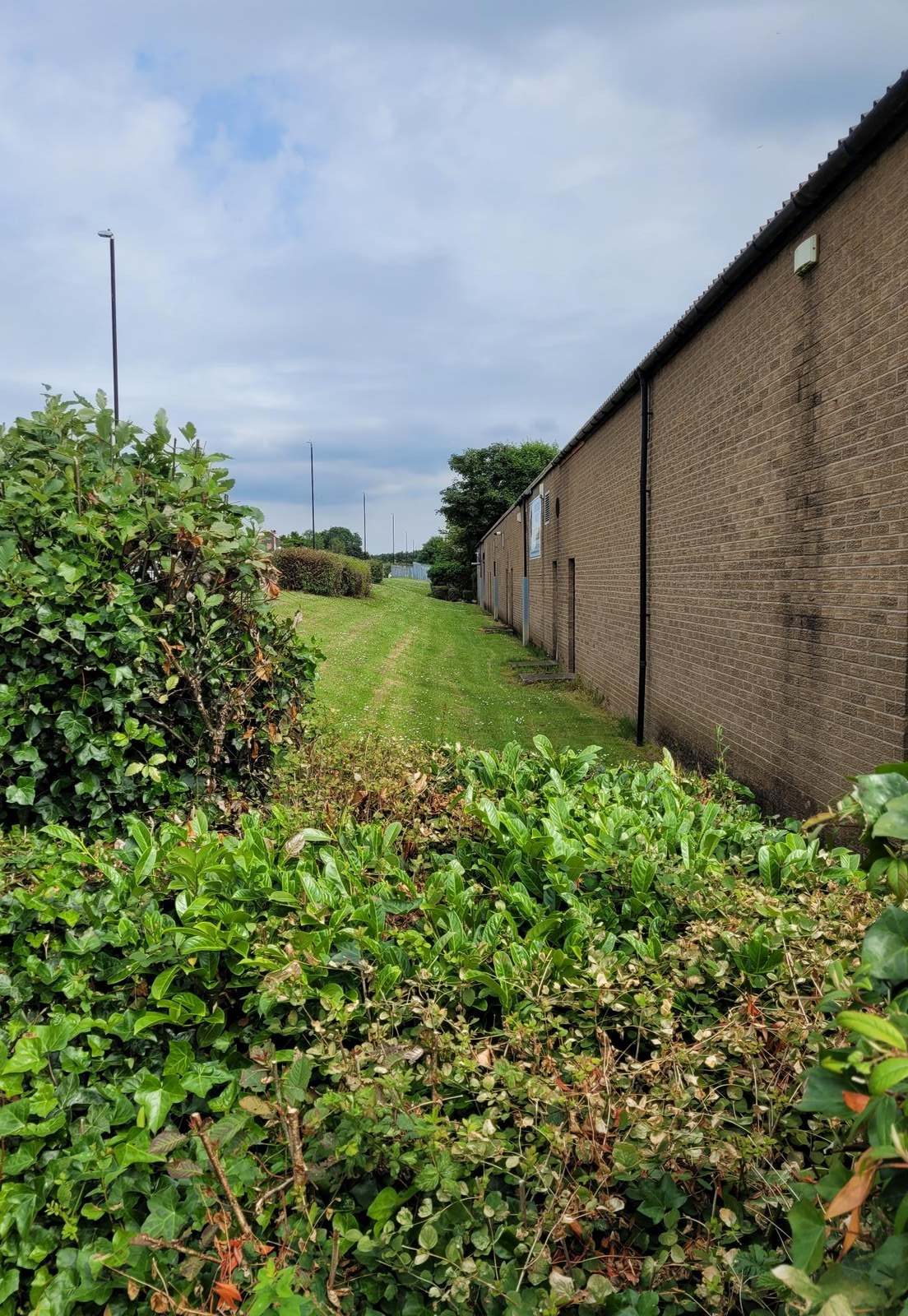
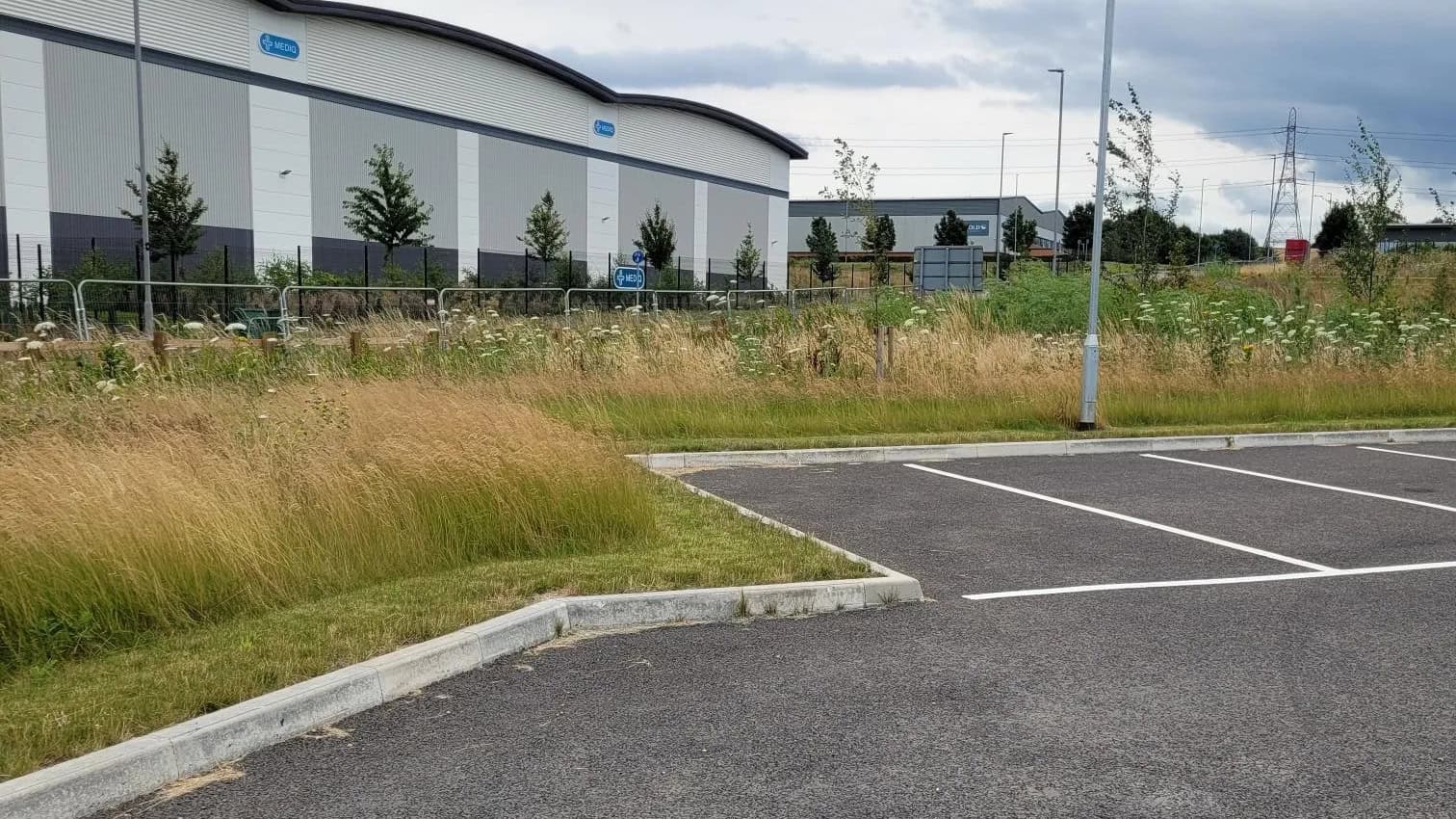

Why Do Businesses Outsource Grounds Maintenance?
Outsourcing is often the most practical way to manage the range of work required across a commercial property. It allows the organisation to set the expected standard while giving a specialist contractor responsibility for planning and delivering the service.
Consistent Standards Throughout the Year
A scheduled programme reduces reliance on ad-hoc requests. Visits can be aligned with seasonal growth and site priorities, helping the property maintain a more consistent appearance.
Less Internal Coordination
Facilities teams may otherwise need to arrange separate suppliers for lawns, trees, hedges, weeds, winter work and reactive issues. A broader contractor can reduce that administrative burden and provide a clearer point of contact.
Access to Specialist Skills and Equipment
Commercial sites may require machinery, qualifications and technical knowledge that are not available within the client’s own team. Outsourcing provides access to those resources without the organisation maintaining them in-house.
A More Joined-Up Site Plan
Outdoor areas are connected. Tree work can affect lawns and access; hedge growth can affect paths and signs; leaf fall creates clearance requirements; and planting decisions influence future maintenance. Managing these elements through one plan supports better sequencing and fewer gaps.
Stronger Reactive Support
Storm damage, fallen branches, unexpected access issues or rapid seasonal growth can require additional attention. A contractor that already understands the site is better placed to assess the issue, coordinate the response and recommend the next step.
What Should You Expect From a Professional Grounds Maintenance Contractor?
A professional contractor should make the external areas of a property easier to manage, not create another layer of administration. The service should begin with an understanding of the site, its users, its risks and the standard the client wants to maintain.
The resulting specification should clearly describe the work included, expected frequencies and arrangements for seasonal or additional tasks. Clients should also know who their point of contact is, how issues will be reported and how changes to the programme will be agreed.
- Site assessment and a clear scope of works.
- Planned visit frequencies and seasonal scheduling.
- Suitably trained operatives and appropriate equipment.
- Relevant insurance and practical health and safety procedures.
- Reliable communication, reporting and reactive support.
- Access to specialist services where the site requires them.
The service should remain responsive as the landscape develops, the use of the site changes or new priorities emerge.
How Do You Choose a Commercial Grounds Maintenance Provider?
Start by looking for relevant commercial experience. A provider that understands managed estates, schools, business parks or other complex environments is more likely to appreciate the communication, scheduling and compliance requirements surrounding the practical work.
Consider the breadth of the service as well. A contractor may be strong at routine grass cutting but unable to support tree work, winter requirements or larger improvement projects. Access to complementary skills can make it easier to manage the full external environment through one relationship.
Ask how the service will be planned and monitored. A credible provider should be able to explain how it assesses a site, builds a specification, organises seasonal work, communicates with clients and deals with work outside the core schedule. Evidence from similar commercial sites can help demonstrate capacity and consistency.
Price should be considered alongside scope and delivery. A lower quotation may not represent better value if important activities are excluded, visit frequencies are unclear or specialist requirements are treated as recurring extras.
Speak to Majestic About Commercial Grounds Maintenance
Majestic Grounds Maintenance supports commercial properties, managed estates, schools and public-facing environments with planned external maintenance tailored to the site. Our wider capabilities allow routine grounds care to be coordinated with landscaping, arboriculture, seasonal services and reactive work where required.
If you are reviewing an existing contract, taking responsibility for a new property or looking for a more coordinated approach, our team can learn more about the site, understand your priorities and help define a practical maintenance programme.